
 cye-user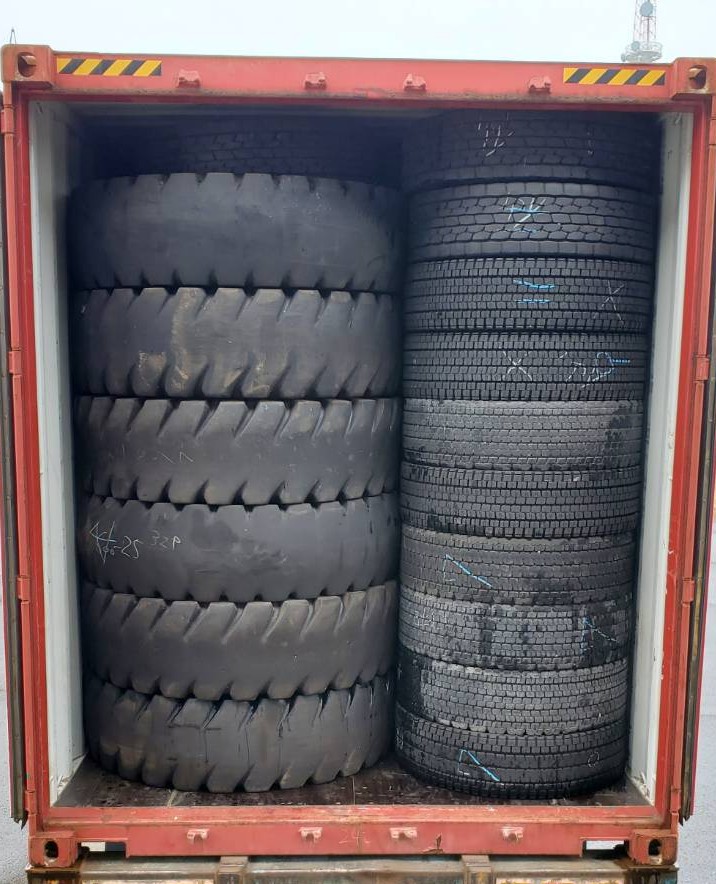
Many companies involved in retread tire production and distribution overseas are increasingly looking to Japan as a sourcing destination for tire casings.
For buyers who already understand the importance of tire casings for retreading, the key question is no longer “Why Japan?” but rather “Which supplier in Japan should we source from, and on what basis should we make that decision?”
This article provides background information that cannot always be fully conveyed on fixed corporate pages. It outlines why Japanese tire casings are highly regarded and highlights the points overseas buyers should evaluate when selecting a supplier. This is not a sales page, but a reference to support informed decision-making.
Why Overseas Buyers Source Tire Casings Directly from Japan?
Many overseas retread factories and importers approach the Japanese market with a clear intention to source tire casings directly from Japan.
One reason is the general usage environment and vehicle maintenance practices within Japan. Regular inspections and maintenance are common, and tires are often replaced before severe structural damage occurs.
In addition, road conditions and load management tend to reduce excessive stress on tire casings. As a result, many casings enter the market with their internal structure well preserved, not only their external appearance.
Buyers who understand these background factors often prefer to work directly with suppliers in Japan, rather than through multiple layers of intermediaries.
Characteristics of Japanese Tire Casings Valued for Retreading
In retread applications, surface wear alone is not the primary factor. The condition of the carcass and internal structure is far more important.
Tire casings used in Japan are often managed under relatively consistent operating conditions, with fewer cases of extreme overloading or improper inflation. This tends to reduce hidden structural damage.
Another characteristic is that usage history is easier to assess. With fewer cases of irregular wear or localized damage, inspection and judgment during the retreading process become more straightforward, contributing to more stable retread quality.
For these reasons, Japanese tire casings are often regarded as materials that are well suited for retreading purposes.
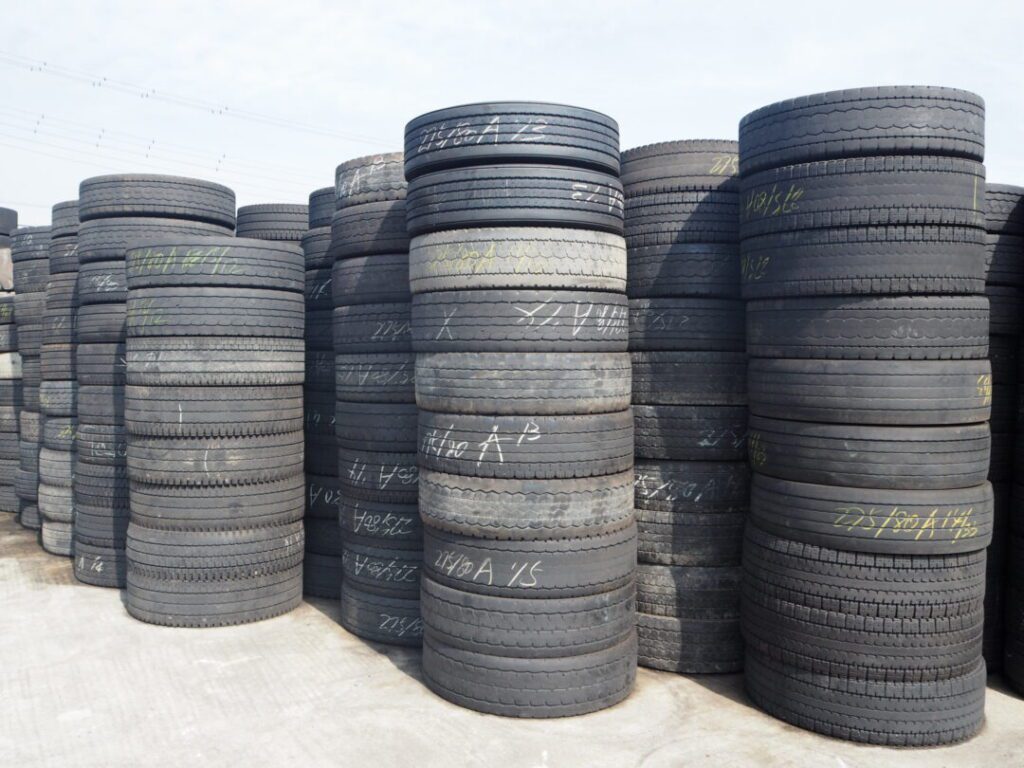
Key Quality Criteria When Selecting a Japanese Tire Casing Supplier
When sourcing tire casings from Japan, it is not sufficient to evaluate them based solely on their origin.
What matters more is how casings are inspected, selected, and managed.
Important points to consider include:
- At what stage non-retreadable casings are removed
- Whether inspection standards are consistent across personnel
- How grading criteria are defined and maintained
- How unsuitable casings are handled
Equally important is whether the supplier understands the quality requirements of overseas retread factories.
Rather than focusing only on volume or price, understanding a supplier’s overall approach to handling tire casings is often the key to achieving stable, long-term sourcing.
Common Misunderstandings in International Tire Casing Trade
In international tire casing transactions, certain misunderstandings can lead to issues if not properly addressed.
One common area is expectations regarding quality variation. As tire casings are used products, a certain level of individual variation is unavoidable. The critical factor is how well that variation is controlled.
Another area involves assumptions about volume and supply continuity. Short-term spot transactions and long-term supply arrangements require different approaches and expectations.
Differences in language and business culture can also create gaps in understanding. Suppliers who recognize and account for these factors tend to facilitate smoother transactions.
How Experienced Japanese Suppliers Maintain Consistent Quality
Among suppliers exporting tire casings from Japan, those focused on long-term relationships tend to prioritize process over short-term volume or pricing.
Clearly defined inspection and selection procedures, along with a willingness to exclude unsuitable casings rather than force shipment, often result in stronger trust with overseas partners.
Understanding overseas retreading standards and production processes also plays an important role in maintaining consistency and reproducibility in quality.
These practices reflect a long-term perspective rather than a one-time transaction mindset.
Why Long-Term Relationships with Japanese Companies Are Preferred
One reason many overseas buyers maintain long-term relationships with Japanese suppliers is predictability.
Consistency in quality standards and response policies provides stability for retread tire production and quality control.
Ongoing communication further strengthens mutual understanding over time, creating a level of reliability that is difficult to achieve through spot transactions alone.
As a result, stable casing quality often leads to improved overall retread tire performance.
Learn More About Our Company
This article has outlined key considerations for overseas buyers sourcing tire casings from Japan.
In Japan, there are companies that handle tire casings with overseas supply in mind and with an understanding of retread applications.
For details regarding our company’s capabilities and approach, please visit our top page.


Thank you for your reading this artcle!